
When most people think of psychiatry, they think of prescription medications. And for many patients, that’s an important part of care. But at PEP Holistic Psychiatry & Wellness, we also recognize something else: mental health is influenced by the whole body. Sleep, stress physiology, inflammation, nutrition, gut health, and hormone balance all play a role.
That’s where dietary supplements may fit in. In the right context, certain nutrients and targeted supplements may support things like sleep quality, stress resilience, energy, and overall wellness, especially when they help address a deficiency or complement a broader care plan.
At the same time, supplements aren’t a replacement for therapy, lifestyle foundations, or psychiatric medication when it’s needed—and the evidence isn’t equal across the board.
In this article, we’ll cover:
- What’s generally safe to consider (and what isn’t)
- What has the strongest evidence in mental health support
- What to avoid or use only with clinician guidance
- And how to choose supplements thoughtfully, without chasing hype
Safety First: The Rules We Want You to Know
1) Supplements aren’t regulated like prescription medications
In the U.S., dietary supplements do not go through the same pre-market review process as medications. That means labels and claims can be confusing, and quality can vary from one brand to another. The safest approach is to treat supplements like any other health decision: use them intentionally, and involve your clinician, especially if you’re on psychiatric medication.
2) “Natural” doesn’t always mean “risk-free”
Supplements can have real biological effects, which is exactly why some can help, and why some can cause side effects or interactions. Depending on what you take (and what you take it with), supplements may:
- Interact with prescription medications (including antidepressants, stimulants, mood stabilizers, sleep medications, and blood thinners)
- Worsen insomnia, anxiety, agitation, or mood instability in sensitive individuals
- Stress the liver or kidneys at high doses or in multi-ingredient formulas
3) Be extra cautious with “energy,” “weight loss,” and “detox” products
These categories are where we see the most exaggerated claims, and the highest risk of unwanted effects (jitters, heart palpitations, blood pressure changes, sleep disruption) or unclear ingredients. If a product promises fast, dramatic results, it’s a good idea to pause and ask how.
4) A quick checklist before you start anything new
Before adding a supplement, ask:
- What’s the goal? (better sleep, decreased anxiety, more energy, improved focus, enhanced mood, better digestion, deficiency correction)
- What else am I taking? (prescriptions, over-the-counter meds, caffeine, other supplements)
- Do I have any higher-risk factors? (pregnancy/breastfeeding, bipolar disorder history, seizure disorder, liver/kidney disease, complex medication regimens)
- How will I know if it’s helping? (what symptom should improve, and by when?)
5) The simplest way to stay safe: start low, go one at a time, reassess
When we incorporate supplements into a wellness plan, we prefer a measured approach:
- Start one supplement at a time
- Trial it for a defined period (often 2-6 weeks, depending on the goal)
- Track a few clear outcomes (sleep, daytime energy, anxiety intensity, mood stability)
- Stop and reassess if symptoms worsen or side effects show up
What’s Safe and Potentially Effective: Supplements with the Best Evidence in Mental Health Support
Supplements are not a replacement for therapy, lifestyle foundations, or medication when it’s needed. But a few options have a stronger research base than most—especially when used as adjuncts to a broader treatment plan.
1) Omega-3 fatty acids (EPA-forward) for depression support
Omega-3s are among the most studied supplements for mood. Overall results are mixed, but meta-analyses suggest modest improvements in depressive symptoms in some people—particularly when formulas are EPA-enriched (often EPA-dominant) and used as an add-on rather than a stand-alone intervention.
Safety note: Use reputable brands (purity matters). Higher doses may increase bleeding risk in some people, especially when combined with anticoagulants/antiplatelet medications.
2) L-methylfolate as an adjunct for depression (in select patients)
L-methylfolate (the active form of folate) has evidence as an adjunct for adults with major depressive disorder who have an inadequate response to an SSRI. In two randomized controlled trials, one showed significant benefit at 15 mg/day as an add-on.
Safety note: Because it can feel activating for some individuals, it should be used cautiously, especially for anyone with bipolar-spectrum symptoms or a history of mood elevation.
3) Vitamin D when levels are low (correcting deficiency vs “mood boosting”)
Vitamin D is most appropriately used to correct low levels and support overall health. Research on whether supplementation improves depressive symptoms is mixed across trials and reviews, and benefit may depend on baseline vitamin D status and other factors.
Safety note: Avoid “mega-dosing” unless specifically supervised; vitamin D is fat-soluble and can be harmful in excess.
4) Magnesium for sleep quality, mild anxiety, and stress resilience
Magnesium may be a practical option for sleep quality, tension, and mild anxiety/stress symptoms, but evidence quality varies and effects are generally modest.
Safety note: Some forms can cause GI upset. Use extra caution with kidney disease.
5) Probiotics and the gut–brain connection (promising, but strain-specific)
Probiotics are a promising area of research, and recent reviews/meta-analyses have found improvements in depression (and sometimes anxiety) outcomes in some populations. However, results are heterogeneous (likely dependent on strain, dose, duration, and the person’s baseline gut health) so this is best viewed as an individualized, adjunctive option rather than a primary treatment.
PEP note: This is an area where personalization matters. If GI symptoms (bloating, constipation, IBS patterns) are part of your picture, gut support may be a particularly relevant conversation.
Mixed Evidence: Supplements That May Help Some People (But Need Careful Expectations)
These options have supportive data in certain contexts, but they’re not universally appropriate and should be chosen with clearer expectations.
Ashwagandha (stress/anxiety support)
Clinical trials and systematic reviews suggest ashwagandha extracts may reduce stress and anxiety symptoms over short periods (often 6–8 weeks). Evidence is encouraging, but many trials are relatively small and long-term safety data are more limited.
Saffron (mood support in mild-to-moderate depression)
Saffron has a growing clinical evidence base. Meta-analyses suggest saffron may reduce depressive symptoms, and comparisons with SSRIs in short-term studies show no significant difference in symptom reduction (i.e., similar effects in those trials). However, the evidence relies heavily on smaller studies and specific extracts—so product quality and expectations matter.
N-acetylcysteine (NAC) (adjunctive support in select conditions)
NAC has been studied across several psychiatric conditions. Some meta-analyses suggest adjunctive NAC may improve depressive symptoms—particularly in bipolar disorder in some analyses—but findings are not uniform, and authors commonly call for larger, well-powered trials.
Creatine (emerging adjunctive support for depressive symptoms)
Creatine is being explored in nutritional psychiatry, and recent systematic reviews/meta-analyses have begun synthesizing the trial data. At this stage, it’s best described as an emerging adjunct with promising but still-developing evidence.
Zinc (adjunct to antidepressant treatment)
Zinc has mixed evidence overall, but meta-analyses focusing on zinc added to antidepressant therapy suggest it may reduce depressive symptoms versus placebo in some studies. It’s most appropriate when diet patterns, risk factors, or clinician assessment suggest zinc status may be relevant.
Melatonin (sleep support, but not “set-and-forget”)
Melatonin can be helpful for circadian rhythm–related sleep concerns, but it’s still a hormone and can contribute to next-day sedation in some people. Multiple potential drug interactions are reported (including medications that may raise melatonin levels), so it should be used thoughtfully—especially with polypharmacy.
What to Avoid (or Use Only With Clinician Supervision)
St. John’s wort
St. John’s wort may help mild-to-moderate depressive symptoms in some studies, but it carries a high risk of clinically significant drug interactions. It can induce major drug-metabolizing enzymes and transporters (including CYP enzymes and P-glycoprotein), lowering levels of many medications (e.g., some immunosuppressants, anticoagulants, oral contraceptives, and others). It should not be started without clinician review of your full medication list.
“Serotonin-boosting” stacks (especially with antidepressants)
Multi-ingredient mood stacks and products marketed to “boost serotonin” (commonly containing 5-HTP/tryptophan and other serotonergic components) can increase the risk of adverse effects when combined with serotonergic medications. While serious reactions are uncommon, serotonin toxicity is a recognized risk in serotonergic combinations, so these should be avoided unless your clinician explicitly approves them.
Stimulant-heavy “energy” or “weight loss” supplements
These can worsen anxiety, insomnia, irritability, and heart palpitations — sometimes in people who are already struggling with those symptoms. They can also complicate treatment by masking sleep debt and increasing physiological stress.
“Detox” or “cleanse” products with big promises
Many detox claims are marketing-forward and evidence-light. Multi-ingredient cleanse blends can also increase the risk of side effects and interactions, particularly when ingredient doses aren’t transparent.
How to Choose the Right Supplement Plan (Without Overdoing It)
If supplements are going to help, they work best as part of a plan versus a pile of bottles. At PEP Holistic Psychiatry & Wellness, our goal is always to make things simple, safe, and measurable, so you can feel confident about what you’re taking and why.
1) Start with the “why”
When the goal is clear, it becomes much easier to choose an evidence-informed option — and just as important, to avoid the ones that don’t match your needs. Before adding anything, clarify the main goal:
- Sleep (falling asleep, staying asleep, circadian rhythm)
- Anxiety/stress (tension, racing thoughts, physical stress response)
- Mood support (low mood, irritability, emotional resilience)
- Energy/focus (fatigue, brain fog, attention challenges)
- Gut health (bloating, constipation, IBS patterns that worsen stress)
- Correcting a deficiency (vitamin D, B12, iron, etc.)
2) Use labs when they actually add value
Not every supplement requires testing, but some are most helpful when they’re guided by labs or clear clinical context, such as vitamin D, B12/folate status, iron/ferritin, thyroid markers, and sometimes inflammation or metabolic markers depending on your situation. This is one reason integrative care can be so effective. We’re not guessing. We’re looking for patterns.
3) Choose one change at a time
More is not always better. In fact, starting multiple supplements at once is the fastest way to end up confused:
- If you feel better, you won’t know what helped.
- If you feel worse, you won’t know what caused it.
A safer approach:
- Pick one supplement that fits your goal.
- Start at a conservative dose.
- Give it a clear trial period (often 2–6 weeks, depending on what you’re targeting).
- Track 1–3 outcomes (sleep quality, anxiety intensity, energy, mood stability).
4) Don’t ignore “foundation” supports
Many people jump straight to specialty products when the most meaningful shifts come from basics that steady the nervous system. Supplements can support these foundations, but they rarely replace them:
- adequate protein and fiber
- hydration and electrolytes
- consistent meal timing (especially if blood sugar swings affect mood)
- reducing excessive caffeine (a frequent anxiety amplifier)
- sleep and light exposure habits
5) Keep your plan clean and review it regularly
We recommend periodically reviewing your full list (prescriptions + supplements) with your clinician to simplify when possible. A good rule of thumb: if a supplement isn’t clearly helping, it probably doesn’t need to stay.
Optional Support: Where select wellness products can fit (without overcomplicating things)
We don’t recommend supplements casually. We recommend them when they fit your goals, your health history, and your current treatment plan. If you’re already working on the basics (sleep, movement, nutrition, stress supports) and want targeted help, here are a few options from our shop that can make sense in the right context:
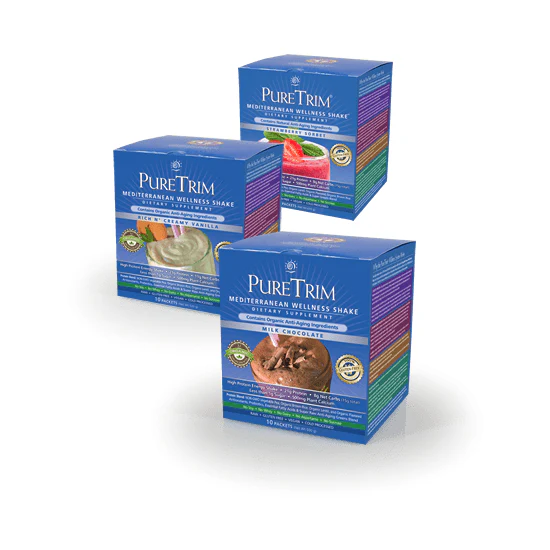
For nutrition, satiety, and steadier energy: PureTrim Mediterranean High Protein Energy Shake
If your days are busy, or if your appetite and energy feel unpredictable, a structured, high-protein meal replacement can be a practical way to support more consistent nutrition. This shake is positioned as low-calorie (<200), low sugar (<1g), and high protein (21g plant protein), with added prebiotics, antioxidants, and essential fatty acids to support satiety and gut health.
Best fit for: people who struggle with meal consistency, want a convenient breakfast/lunch option, or need an easy way to increase protein without a lot of prep.
Use thoughtfully: meal replacements are tools, not “musts.” We’ll help you decide whether 1 shake/day (wellness) or 2/day (structured plan) makes sense for your goals.
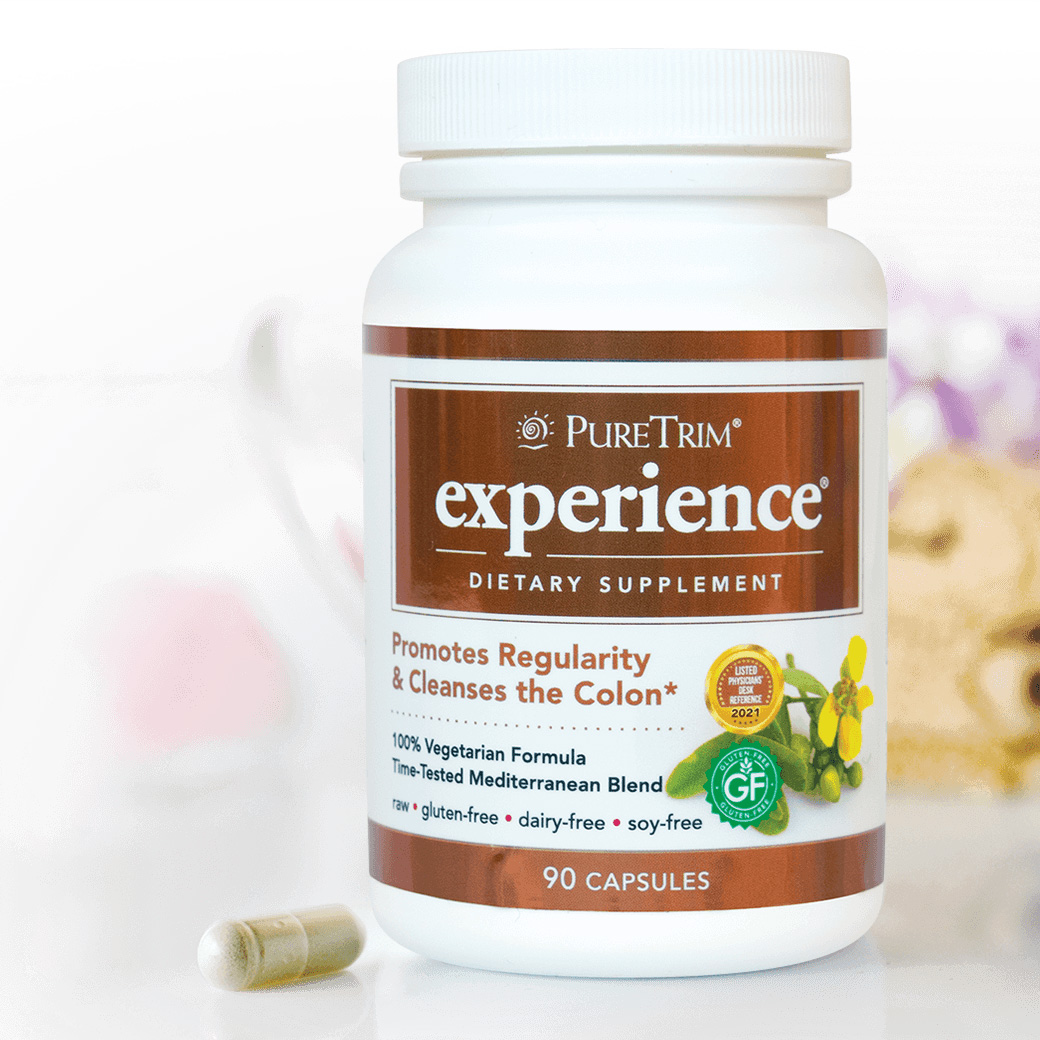
For gut comfort + regularity support: Experience® by PureTrim®
Because the gut–brain connection matters, addressing bloating, constipation, and GI discomfort can be a meaningful part of improving day-to-day well-being. Experience® is described as a gentle, plant-based digestive support formulated to promote regularity and help relieve common digestive discomforts (bloating, gas, heartburn, occasional constipation).
Best fit for: people who feel “off” when digestion is off, especially if constipation or bloating is contributing to fatigue, irritability, or poor sleep.
Safety note: if you have chronic GI symptoms, unexplained weight loss, blood in stool, or persistent abdominal pain, talk with your clinician before trying any cleanse-style product.
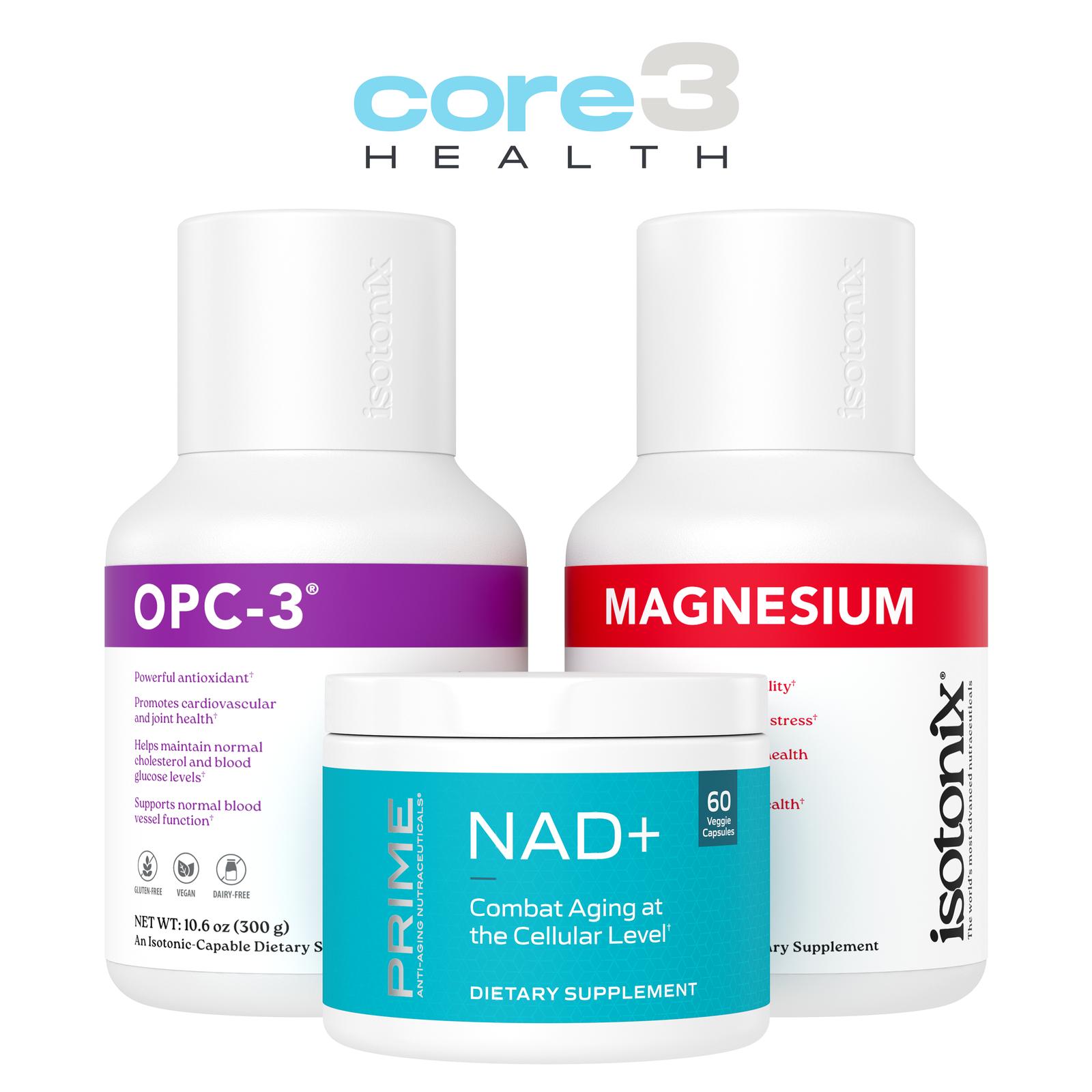
Core 3 Health
This is a three-part system that combines antioxidant support (OPC-3, including Pycnogenol®), NAD+ support, and magnesium for circulation/oxidative stress support, energy/cognitive support, and sleep/relaxation support (via magnesium).
Best fit for: people looking for a structured “foundation” approach (especially if sleep support and daytime energy are both goals).
Good to know: If you’re already taking magnesium or multiple antioxidant blends, we’ll want to review for overlap.
Frequently Asked Questions
Should I tell my psychiatrist about the supplements I’m taking?
Yes, always. Even common supplements can interact with prescriptions or affect sleep, energy, and mood stability. Bringing a full list (including doses and brands) helps your clinician spot interactions, duplication, or products that may be working against your goals.
Can I take supplements with antidepressants, stimulants, or mood stabilizers?
Sometimes. It depends on the specific medication(s), your health history, and the supplement. This is especially important with products that may be serotonergic, stimulating, sedating, or processed through the liver. When in doubt, don’t guess. Ask.
How long does it take to know if a supplement is helping?
The most reliable approach is to define what you’re tracking (sleep quality, energy, anxiety intensity, mood stability) and reassess on a timeline. It depends on the goal:
- Sleep/supportive calming: sometimes within days to 2 weeks
- Mood support: often 4–8 weeks (and effects may be subtle)
- Deficiency correction (like vitamin D): typically several weeks to months
What’s the biggest mistake people make with supplements?
Starting too many at once or choosing a product based on marketing rather than a clear goal and evidence. Another common issue is using stimulating “energy” or “weight loss” products that unintentionally worsen anxiety and sleep.
How do I choose a quality supplement?
A few practical guidelines:
- Prefer clear dosing and avoid vague proprietary blends when dose matters
- Choose reputable brands with third-party testing when possible
- Start with single-ingredient products unless there’s a clear reason not to
- Be cautious with products that promise dramatic results
A Balanced, Evidence-Informed Way Forward
Supplements can be a helpful part of psychiatric care, but the most important word there is “part”. When chosen thoughtfully, supplements may support sleep, stress resilience, mood, energy, and overall wellness, especially when they address a real deficiency or fit a clearly defined symptom pattern. When chosen impulsively (or stacked too aggressively), they can add confusion, side effects, and unnecessary risk.
If you’re considering supplements, the safest path is also the most effective:
- Clarify your goal
- Consider labs when appropriate
- Start one change at a time
- Track results and reassess
- Simplify your regimen whenever possible
Ready for a plan that’s tailored to you?
At PEP Holistic Psychiatry & Wellness, we can help you make sense of the options. We’ll review your current supplement list, identify what’s most relevant to your symptoms and health history, and build a step-by-step approach that supports your overall treatment plan.
If you’d like guidance, we invite you to schedule an appointment or contact our team to get started…